
Keto Bread That Actually Works: Solving the Most Common Low-Carb Bread Problems
If you’ve tried baking keto bread before and thought, “Why does this never turn out right?” — you’re not alone. Most people don’t fail because they’re bad at baking. They fail because keto bread behaves nothing like regular bread, and no one explains that part.
I went through the same cycle: soggy centers, eggy smell, loaves that looked fine until sliced and collapsed into crumbs. After enough wasted ingredients, I stopped following recipes blindly and started fixing the actual problems.
This bread is the result of that process. It’s not trendy. It’s not complicated. It’s designed to solve what usually goes wrong.
#1 Problem : Keto Bread Turns Out Wet or Gummy
This is the most common issue, and it usually comes from too much moisture with nothing to hold it.
The fix:
This recipe balances almond flour with a small amount of coconut flour and psyllium husk powder. Almond flour gives softness, coconut flour absorbs excess moisture, and psyllium creates structure so the loaf sets properly instead of collapsing.
Result:
A bread that slices cleanly instead of sticking to the knife.
#2 Problem : It Smells and Tastes Like Eggs
Eggs are necessary in keto baking, but too many recipes rely on them for structure, which is why the flavor takes over.
The fix:
This loaf uses eggs for lift, not dominance. Olive oil (or butter) smooths the flavor, while apple cider vinegar neutralizes the egginess and improves the rise.
Result:
A neutral, bread-like taste that works for both savory and sweet toppings.
#3 Problem : No Crust, Just Pale Sponge
If your keto bread stays soft and pale, it’s usually because the dough is too wet or the oven temperature isn’t doing enough work.
The fix:
This dough is thick, not pourable, and it bakes long enough to develop real color. The fat content helps the surface brown instead of steaming.
Result:
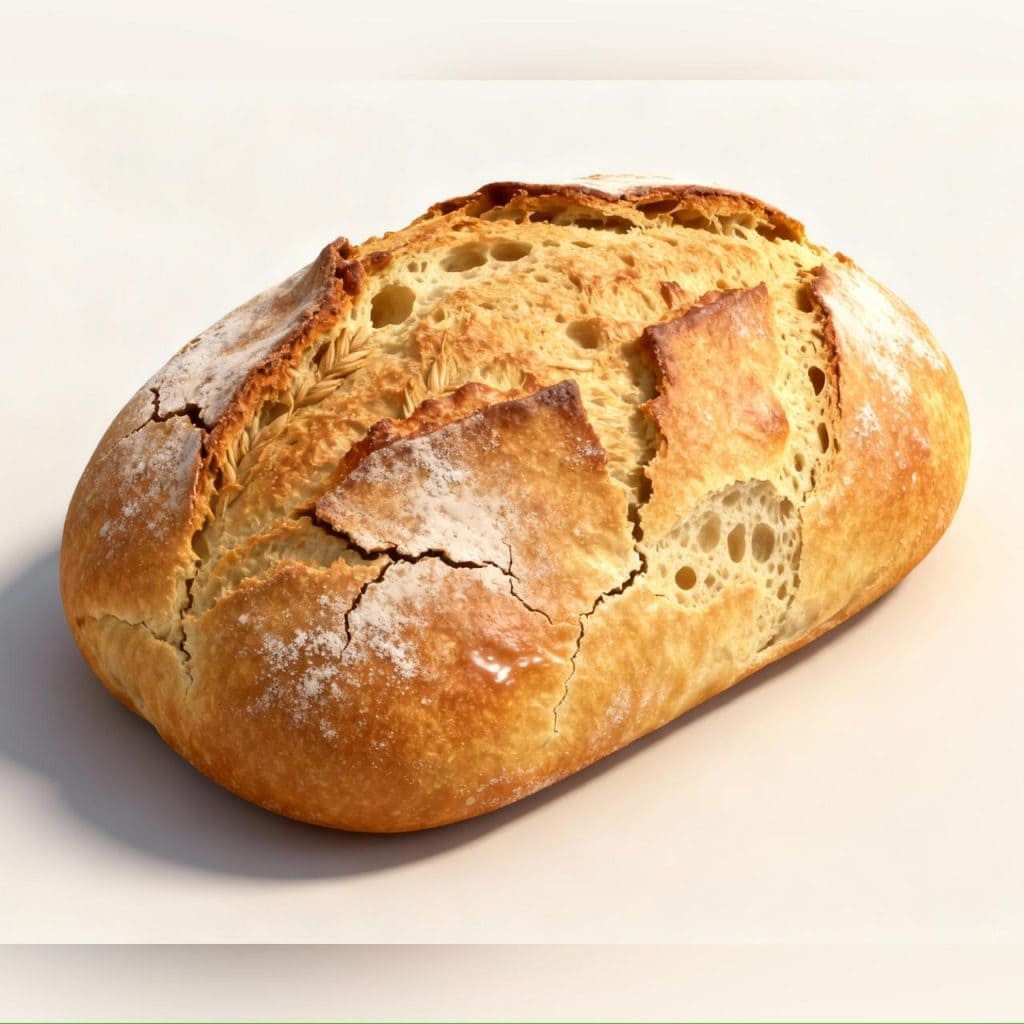
A firm, golden crust that actually feels like bread when you tap it.
This keto almond coconut bread is designed for anyone missing real, sturdy bread while staying very low in net carbs. Unlike many keto breads that turn out crumbly or eggy, this recipe produces a firm, sliceable loaf with a golden cracked crust and hearty crumb, making it ideal for sandwiches, toast, or even grilled cheese.
The combination of almond flour, coconut flour, and psyllium husk creates a structure very similar to traditional bread, while apple cider vinegar adds a subtle tang that mimics sourdough—without the carbs. This is a reliable everyday keto bread recipe that holds together well, toasts beautifully, and doesn’t fall apart.
Why This Keto Bread Works
- Very low net carbs (only 2–4g per slice)
- No sugar or grains
- Firm texture, not fluffy or crumbly
- Holds moisture without being soggy
- Freezer-friendly
- Great for sandwiches, toast, and breakfast
The key ingredient here is psyllium husk powder, which absorbs water and forms a gel-like structure, giving the bread elasticity and strength—something almond flour alone cannot do.
Ingredients You’ll Need
Everything here is easy to find and has a clear purpose.
Dry Ingredients
- 1½ cups finely ground almond flour (blanched)
- ¼ cup coconut flour
- 1 tablespoon baking powder
- ½ teaspoon fine sea salt
- 1 teaspoon psyllium husk powder
Wet Ingredients
- 5 large eggs, at room temperature
- ¼ cup olive oil or melted butter
- ½ cup warm water
- 1 teaspoon apple cider vinegar
Step-by-Step Instructions
- Preheat the oven to 350°F (175°C).
Line a loaf pan or baking sheet with parchment paper. - Mix dry ingredients
In a large bowl, whisk together almond flour, coconut flour, psyllium husk powder, baking powder, salt, and yeast (if using). - Prepare wet ingredients
In a separate bowl, mix warm water, apple cider vinegar, and melted butter. Whisk in the eggs until fully combined. - Form the dough
Pour the wet mixture into the dry ingredients and stir well. The dough will thicken quickly. - Rest the dough (important)
Let the dough sit for 5–10 minutes so the psyllium husk fully absorbs the liquid. This step ensures a firm, bread-like texture. - Shape the loaf
Transfer the dough to the prepared pan or shape it into a rustic loaf using lightly oiled hands. - Score the top
Use a sharp knife to score the top of the loaf for a cracked, artisan-style crust. - Bake
Bake for 50–60 minutes, until the crust is golden brown and the loaf sounds hollow when tapped.
If the top browns too quickly, loosely cover with foil. - Cool completely
Remove from the oven and cool fully on a wire rack before slicing. Cutting too early can cause gumminess.
Texture & Taste Notes
- Crust: Golden brown with natural cracks
- Inside: Dense, sturdy, and sliceable
- Flavor: Mild, slightly tangy, not eggy
- Best uses: Toast, sandwiches, buttered slices, keto grilled cheese
Common Troubleshooting
Bread turned purple or grey?
→ Your psyllium husk was low quality. Always use blonde psyllium husk powder.
Too dense?
→ Make sure you measured coconut flour correctly and rested the dough.
Gummy inside?
→ Bread was sliced before fully cooling or underbaked.
Estimated Nutrition (per slice, based on 10 slices per loaf)
| Nutrient | per slice, based on 10 slices per loaf |
|---|---|
| Calories | 140-160 |
| Total fat | 11-13g |
| Net carbs | 2-4g |
| Protein | 6-7g |
| Fiber | 3-4g |
Simple Variations
Garlic & Herb:
Add 1 teaspoon garlic powder and dried herbs like thyme or rosemary.
Cheese Loaf:
Fold in ½ cup shredded mozzarella or sharp cheddar before baking.
Seeded Top:
Sprinkle sesame, flax, or sunflower seeds over the top before baking.
Storage Tips
- Room temperature: Up to 2 days (airtight container)
- Refrigerator: 5–7 days
- Freezer: Slice first, then freeze for up to 2 months
(Toast directly from frozen for best results)